Zirconia vs. Metal Crowns: Why Metal-Free Caps Last Longer

10 December, 2025Cap
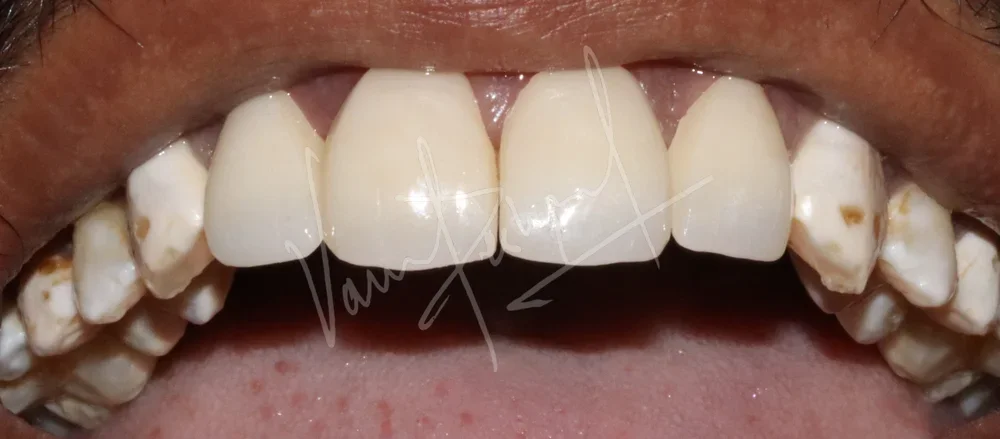
Side-by-side comparison of a metal-ceramic crown showing a dark line versus a translucent zirconia crown

For decades, if you needed a dental crown (cap) after a root canal or fracture, you had one main choice: PFM (Porcelain Fused to Metal). These were strong, but they had a major flaw—they were ugly.

Today, we have entered the era of Metal-Free Dentistry. At Deshpande Dental Care & Implant Centre, we primarily use Zirconia crowns. But many patients in Solapur still ask: "Is the old metal cap stronger? Is Zirconia worth the extra cost?"

Let's break down the science of why we (and the world) are moving away from metal.

  1. The "Black Line" Problem

The most common complaint with old PFM crowns is the dreaded "black line" at the gum level.

  • Why it happens: PFM crowns have a metal core covered by white ceramic. As you age, your gums naturally recede slightly. This reveals the dark metal edge underneath, making the tooth look fake and unhealthy.
  • The Zirconia Advantage: Zirconia is white through and through. Even if your gums recede years later, the margin remains white. It looks completely natural forever.

  1. Strength: Is Metal Really Stronger?

This is the biggest myth. Patients assume metal is the strongest material.

  • PFM Weakness: While the metal core is strong, the white porcelain layer on top is brittle. It often chips or cracks off, revealing the ugly grey metal underneath.
  • Zirconia Strength: Zirconia is often called "Ceramic Steel." It is Monolithic—meaning it is made from a single solid block of crystal. It is virtually unbreakable and resists chipping far better than porcelain-on-metal.

  1. Biocompatibility (Gum Health)

Have you ever noticed swollen or purple gums around an old crown?

  • Metal Issues: Many PFM crowns contain base metals like Nickel, which can cause allergic reactions or chronic gum inflammation.
  • Zirconia Safety: Zirconia is 100% biocompatible (inert). The gums love it. In fact, gum tissue grows back around Zirconia healthier and pinker than it does around metal.

  1. Precision Fit (CAD/CAM Technology)
  • Old Way (Metal): Made by hand-casting liquid metal. This process often led to small gaps (micro-leakage) where bacteria could enter and rot the tooth from inside.
  • New Way (Zirconia): These are milled by a computer (CAD/CAM) from a digital scan of your tooth. The fit is accurate to the micron. A better fit means a longer-lasting seal against cavities.

Dr. Varun's Recommendation

Dr. Varun Deshpande (MDS Prosthodontist) is a specialist in crowns and bridges.

"For back teeth where chewing force is high, I recommend Zirconia because it can withstand the pressure without cracking. For front teeth, I recommend E-Max (Lithium Disilicate) or High-Translucency Zirconia because they mimic the light-reflection of natural enamel perfectly."

Comparison: At a Glance

FeaturePFM (Metal-Ceramic)Zirconia (Metal-Free)
AestheticsGood initially, "Black Line" laterExcellent, stays natural forever
StrengthPorcelain layer can chipUnbreakable solid block
Gum HealthCan cause inflammation/allergy100% Biocompatible
FitHand-cast (Good)Computer Milled (Perfect)
WarrantyUsually 5-7 YearsOften 10-15 Years

Conclusion

The only reason to choose a metal crown today is a strict budget constraint. For health, looks, and longevity, Zirconia is the clear winner.

Upgrade your smile. Need a crown? Visit Deshpande Dental Care (Civil Chowk, Antrolikar Nagar, Jule Solapur) for a consultation with Dr. Varun.
Frequently Asked Questions


PFM crowns have a metal core covered by porcelain. As gums naturally recede over time, the metal edge becomes visible, creating a dark line. Zirconia crowns are metal-free and white throughout, eliminating this issue.

Yes. Zirconia is known as 'Ceramic Steel.' It is milled from a solid block of crystal, making it virtually unbreakable and perfectly suitable for the heavy chewing forces of back teeth.

Absolutely. Zirconia is 100% biocompatible. Unlike some metals (like Nickel) which can cause allergic reactions or inflammation, gums respond very well to Zirconia, often growing back healthier around the crown.

Metal crowns are hand-cast, which can lead to slight imperfections. Zirconia crowns are made using CAD/CAM (computerized) technology, ensuring a micron-precise fit that seals the tooth better against future decay.

Yes, especially modern High-Translucency Zirconia or E-Max crowns. They mimic the light-reflecting properties of natural enamel, whereas metal-based crowns can look opaque or 'flat'.

The cost reflects the superior material quality and the advanced digital technology required to design and mill them. However, their longevity and aesthetics make them a better long-term investment.

With proper care, Zirconia crowns can last 10-15 years or even a lifetime, as they are resistant to chipping and wear compared to the porcelain layer on PFM crowns.

While we can provide them upon request, Dr. Varun generally recommends Zirconia or E-Max for their superior health benefits and aesthetics. Metal is usually only suggested for strict budget constraints.

Still have questions?

Can't find the answer you're looking for? Please chat with our friendly team.

Contact Us Today

More Blogs

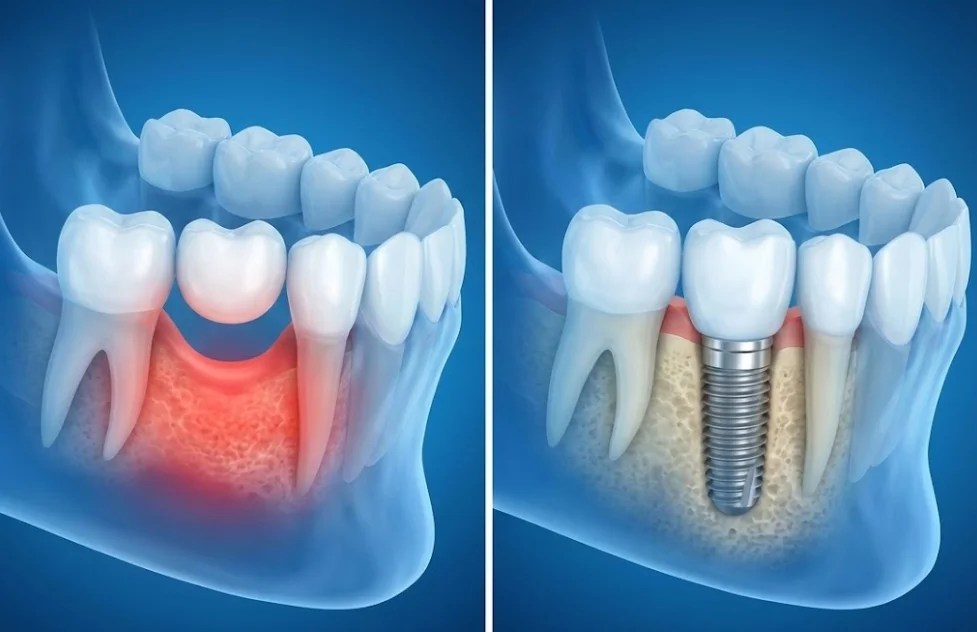
Diagram comparing bone loss under a dental bridge versus bone preservation with a dental implant
10 December, 2025

Dental Implants vs. Bridges: What's the Best Choice for Missing Teeth?

Choosing between a Bridge and an Implant? We dive deep into the differences regarding bone preservation, cost-effectiveness, and longevity to help you make the right choice in Solapur

Read Blog
Clinical comparison of a patient with severe tooth wear before and after Full Mouth Rehabilitation.
10 December, 2025

Do I Need Full Mouth Rehabilitation? 5 Signs Your Bite is Collapsing

Are your teeth looking short or worn down? You might be suffering from 'Bite Collapse.' Learn the 5 warning signs and how Full Mouth Rehabilitation by Dr. Varun Deshpande can restore your face and function

Read Blog
porcelain veneers on front teeth
10 December, 2025

Porcelain vs. Composite Veneers: Which Smile Makeover Fits Your Budget?

Dreaming of a perfect smile but unsure about the cost? We compare the price, durability, and aesthetics of Porcelain vs. Composite Veneers to help you choose the right option in Solapur

Read Blog
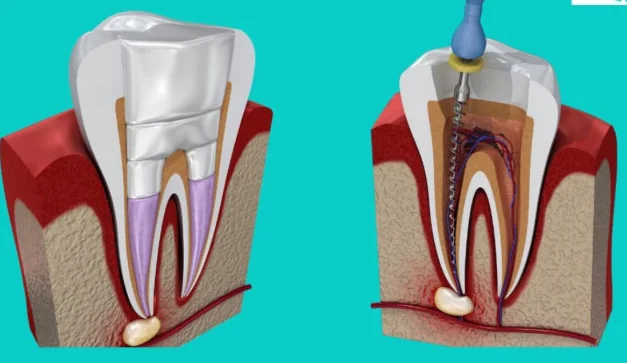
Diagram showing inflamed dental pulp causing pain versus a clean, sealed root canal
10 December, 2025

Is Root Canal Treatment Painful? Myths vs. Modern Reality

Dreading a root canal? Discover why the "pain" is a myth. Learn how modern anesthesia and rotary technology make RCTs at Deshpande Dental Care painless and fast

Read Blog
Step-by-step diagram of dental composite layering technique on a fractured incisor
10 December, 2025

What Happens During an Aesthetic Restoration? A Step-by-Step Guide

Curious how we fix chipped teeth or close gaps in just one hour? Dr. Rucha Deshpande walks you through the 5 steps of Aesthetic Composite Restoration

Read Blog
Teeth Whitening
10 December, 2025

Professional Whitening vs. Home Kits: Which is Safer for Your Enamel?

Thinking of buying charcoal powder or a whitening toothpaste? Read why professional whitening at the dentist is safer, faster, and more effective for your enamel

Read Blog
Complete and Partial Dentures
10 December, 2025

Tired of Loose Teeth? How Complete and Partial Dentures Restore Chewing and Confidence

Struggling with loose dentures or missing teeth? Discover how modern BPS Complete Dentures and Cast Partials offer superior suction, comfort, and chewing ability

Read Blog
Root Canal vs Filling
10 December, 2025

Deep Cavity Treatment: When Do You Need a Root Canal vs. a Filling?

Is it just a cavity or something worse? We explain the difference between reversible sensitivity and nerve infection, and how Dr. Rucha Deshpande saves teeth from Root Canals

Read Blog
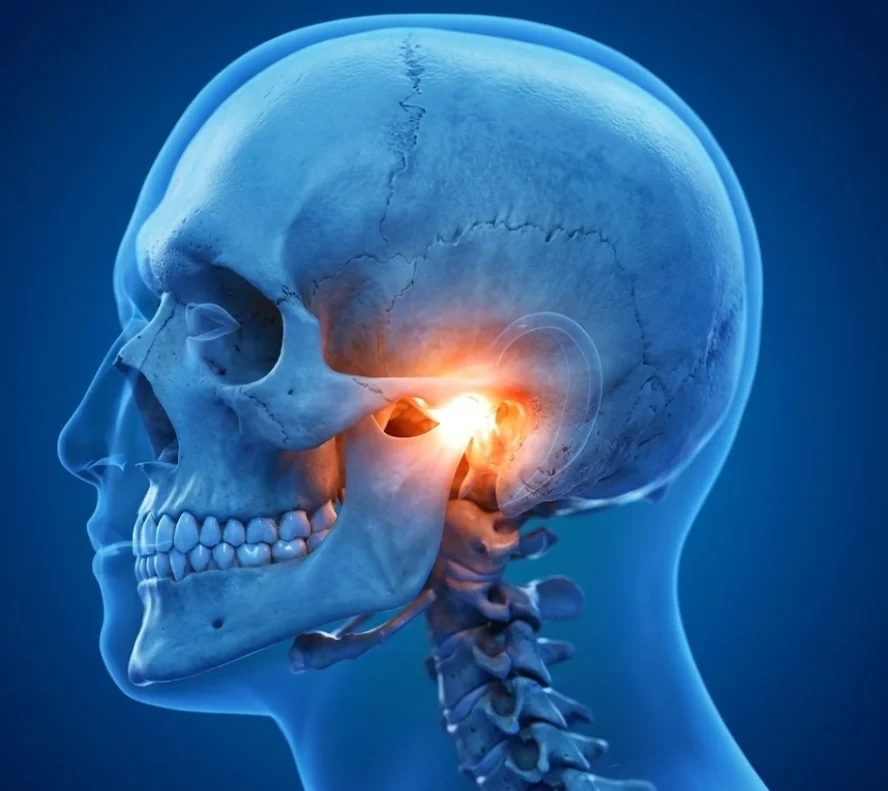
TMJ Headache Treatment
10 December, 2025

Waking Up with Headaches? It Might be TMJ Disorder

Do you suffer from chronic morning headaches or migraines? The cause might be your jaw, not your head. Learn how TMJ Disorder causes pain and how Dr. Varun Deshpande treats it

Read Blog